Massachusetts Refrigeration License #RC-148128
Massachusetts Master Sheet Metal License #2284
Massachusetts Sheet Metal Business License #493


Temperature gets most of the attention when it comes to indoor comfort — and for good reason — but it is only part of the equation. Humidity and indoor air quality also play a major role in how comfortable and healthy your home or business feels, even when they are not immediately noticeable.
Most people become aware of humidity when it rises during the summer or drops during the winter. Likewise, indoor air quality often goes unnoticed until it triggers coughing, congestion, allergies, or other discomfort. However, even when these issues are subtle, they can still affect your health, comfort, HVAC performance, and even your home itself.
While humidity and indoor air quality are often discussed separately, they are closely connected. Humidity not only affects how warm or cool the air feels, but it also impacts the quality of the air you breathe. Too much or too little moisture in the air can contribute to higher energy bills, structural damage, poor HVAC performance, and health concerns.
To fully understand how humidity affects your home, it’s important to look at the bigger picture. In this guide, we’ll explain what humidity is, how it affects indoor air quality, and what homeowners can do to maintain healthier indoor conditions year-round.
Humidity refers to the amount of water vapor present in the air. In homes and businesses, it is typically measured as relative humidity — the percentage of moisture in the air compared to the maximum amount the air can hold at a given temperature.
Indoor humidity levels are heavily influenced by your HVAC system, ventilation, insulation, and everyday household activities like cooking, showering, and laundry. When your HVAC system is operating properly and moisture levels are kept under control, indoor humidity should remain within a healthy range.
Most HVAC professionals recommend maintaining indoor relative humidity between 30% and 50%.
Maintaining proper humidity levels helps improve comfort, protect indoor air quality, reduce strain on HVAC equipment, and create a healthier living environment.
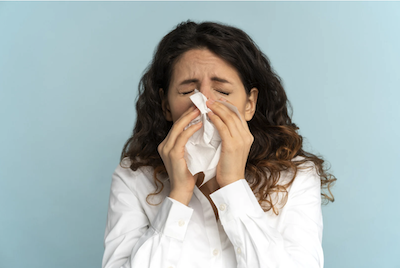
High humidity does more than make warm weather feel uncomfortable. Excess moisture in the air can negatively impact indoor air quality in several ways.
Mold and mildew thrive in damp environments. When humidity levels remain too high, mold can begin forming on walls, ceilings, carpeting, ductwork, furniture, and other surfaces.
Once mold develops, spores can spread through the air and throughout the home, negatively affecting indoor air quality and potentially creating health concerns. Maintaining stable humidity levels is one of the best ways to discourage mold growth indoors.
Humid environments also encourage the growth of dust mites and other allergens. This can increase allergy symptoms and worsen respiratory conditions such as asthma.
Homeowners may notice:
Excess humidity can make indoor air feel heavy and stagnant. Moisture in the air also traps odors, causing smells — especially cooking odors — to linger longer inside the home without proper ventilation.
Dry air can create its own set of indoor air quality challenges, especially during the winter months when heating systems continuously circulate heated air throughout the home.
When humidity levels are too low, airborne particles remain suspended in the air longer instead of settling. These particles may include allergens, dust, and viruses, increasing the likelihood they will spread throughout the home.
Dry air can irritate the eyes, skin, throat, and nasal passages. It also dries out the body’s natural protective membranes, making it harder to filter pollutants and increasing susceptibility to illness.
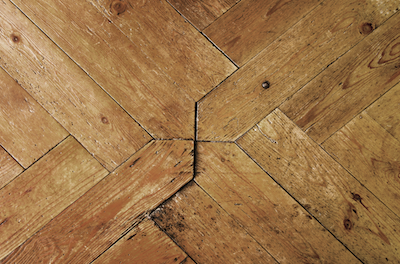
Excessively dry air can also impact your home itself. Floors, trim, windows, and other building materials may shrink or crack, creating gaps that allow drafts and outdoor pollutants to enter the home.
Proper ventilation plays a critical role in controlling humidity levels. Areas like kitchens, bathrooms, and laundry rooms produce excess moisture that needs to be properly vented outdoors.
Without adequate ventilation, moisture can accumulate indoors, reducing air quality and placing added strain on your HVAC system.
Air conditioners do more than cool the air — they also remove moisture from it.
If your AC system is not functioning properly due to improper sizing, dirty filters, or mechanical issues, it may struggle to control humidity effectively. As a result, your home may feel damp or uncomfortable even when temperatures appear cool enough.
Forced-air heating systems can significantly reduce indoor humidity during the winter by circulating dry heated air throughout the home.
While heating systems are essential during colder months, adding a humidification system may be necessary to maintain healthy indoor air quality and comfort levels.
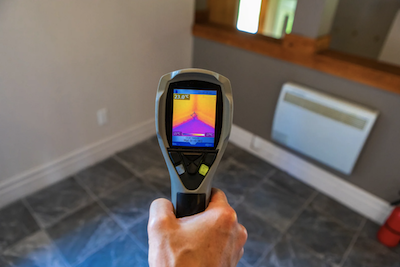
Fortunately, there are several ways homeowners can better manage indoor humidity levels and improve indoor air quality, including:
When humidity levels remain within the ideal range, indoor environments become healthier, more comfortable, and more energy efficient.
Balanced humidity can help:
If you want to learn more about indoor air quality solutions, contact our customer service team at (978) 750-8282 or office@preferredairinc.com. We're happy to help you find the best solution for your home or business.
Preferred Air has been offering trusted service for 34 years. We'd love to have you join our community by scheduling a service or a complimentary professional system evaluation and estimate for upgrades or replacements of your current system with our factory-trained expert technicians.