Massachusetts Refrigeration License #RC-148128
Massachusetts Master Sheet Metal License #2284
Massachusetts Sheet Metal Business License #493

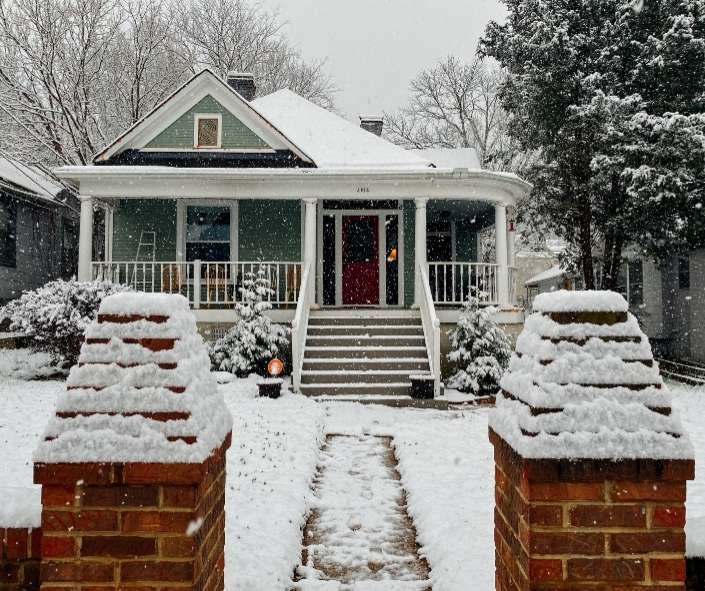
Winter in New England delivers everything from cold rain and sleet to heavy snow and ice—sometimes all in the same week. One day may feel mild and damp, while the next brings subzero wind chills. To stay comfortable, your HVAC system must be built to handle extreme and unpredictable conditions.
Traditionally, durability meant relying on oil or propane boilers and furnaces. But as HVAC technology has evolved, so have the options. Today’s cold-climate mini-splits are designed to deliver reliable, energy-efficient heat even in harsh New England winters.
Mini-splits were once viewed as supplemental heat for milder climates—but that’s no longer true. Modern cold-climate models, when properly sized and installed, can serve as a primary heat source. If you’re curious whether this technology is strong enough for your home or business, here’s what you need to know.
Many mini-splits claim winter capability, but performance varies widely. Standard models may operate down to freezing temperatures, but efficiency and heat output drop quickly as temperatures fall.
For New England, look for systems classified as Cold-Climate Air-Source Heat Pumps (ccASHPs).
· Minimum operating temperature:
Look for systems rated to –5°F at a minimum, with –13°F or even –22°F being ideal.
· Low-temperature capacity retention:
Standard systems may lose up to 50% of capacity in cold weather. Cold-climate models are designed to maintain near 100% capacity at low temperatures—critical for comfort and energy efficiency.
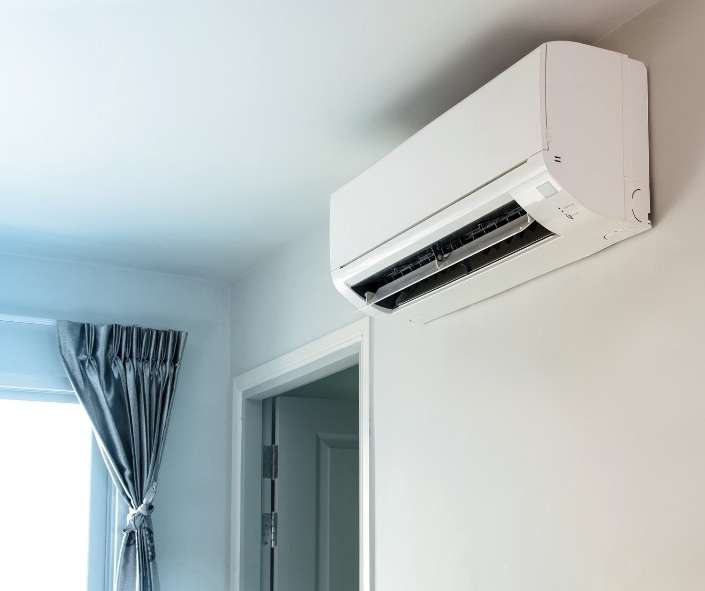
For cold climates, compressor type matters. Single-stage compressors simply turn on and off, which makes them inefficient and inconsistent in freezing conditions.
Cold-climate mini-splits use inverter-driven variable-speed compressors, which adjust output in small increments. This allows the system to:
Efficiency ratings have evolved, and today’s standards are SEER2 (cooling) and HSPF2 (heating). For New England winters, HSPF2 is the most important metric.
· HSPF2 measures heating efficiency over the winter season
· Higher numbers mean better efficiency and lower energy costs
· A minimum HSPF2 rating of 9.0 is recommended for cold climates
High HSPF2 ratings also improve your eligibility for utility rebates and incentives, helping reduce upfront costs.
Ice buildup is one of the biggest challenges for outdoor units in winter. Two features are essential:
· Demand Defrost:
Uses sensors to detect ice buildup and initiates defrost cycles only when needed—improving efficiency and performance.
· Base Pan Heater:
Prevents condensation from freezing at the bottom of the unit, protecting components and ensuring proper drainage.
In standard systems, falling outdoor temperatures reduce refrigerant pressure, leading to lukewarm air indoors.
Cold-climate systems use flash-injection technology, which:
· Compresses and reinjects refrigerant to maintain pressure
· Keeps supply air consistently warm—even below zero
· Prevents cold-air blasts before warm air delivery
This technology is key to maintaining comfort during deep New England cold snaps.

Modern cold-climate mini-splits perform best when paired with smart controls.
Smart thermostats and controls allow:
· Small, incremental temperature adjustments for efficiency
· Optimization based on occupancy, usage patterns, and outdoor temperatures
· Improved comfort without overworking the system
This is a different approach than traditional “set it and forget it” heating—but it delivers better results in winter.
This is a common concern—and the answer has changed.
In most modern, well-insulated homes, backup heat is often unnecessary. However, older homes with air leaks or insufficient insulation may benefit from:
· Hybrid systems that integrate existing oil or gas heat
· Automatic switchover only during extreme cold events
A professional evaluation can determine whether backup heat is needed in your specific situation.
If upfront costs feel intimidating, rebates can make a big difference. Many New England states offer incentives for high-efficiency heat pumps.
In Massachusetts, programs like Mass Save® frequently help homeowners significantly reduce installation costs.
If you need assistance getting started, contact our customer service team at (978) 750-8282 or office@preferredairinc.com. We're happy to help you find the best solution for your home or business.
Preferred Air has been offering trusted service for 35 years. We'd love to have you join our community by scheduling a service or a complimentary professional system evaluation and estimate for upgrades or replacements of your current system with our factory-trained expert technicians.